

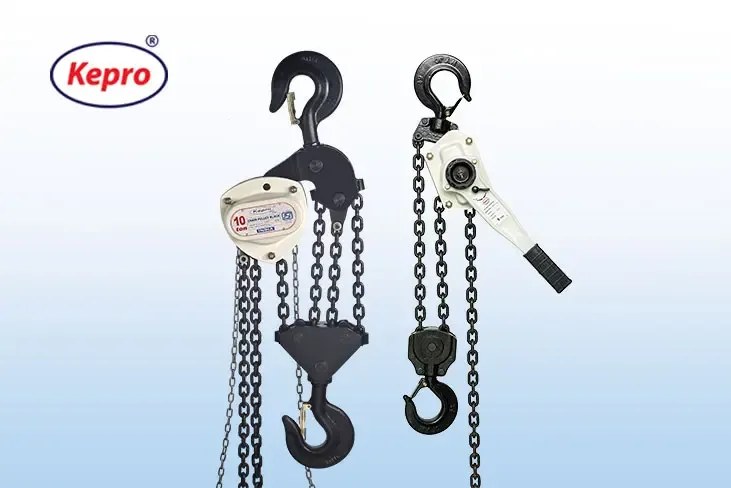
Choosing the right lifting equipment is an important decision for any industrial business. Whether you work in a manufacturing plant, warehouse, construction site, or workshop, lifting heavy materials safely and efficiently is part of everyday operations. A chain pulley block can make this work easier, provided you select the right equipment for the job.
However, not every chain pulley block is suitable for every application. Load capacity, lifting height, frequency of use, working conditions, and maintenance requirements all play a role in the selection process.
In this guide, we will explain how to choose the right chain pulley block for industrial applications, what features to consider before purchasing, and how to get the best value from your lifting equipment.
What Is a Chain Pulley Block?
A chain pulley block is a mechanical lifting device used to raise and lower heavy loads with the help of a chain mechanism. It is commonly used in factories, workshops, warehouses, construction projects, and other industrial environments where materials need to be moved vertically.
This product is also known as a chain hoist. It is a manually operated lifting equipment that uses a chain and pulley system to raise and lower large weights. The industrial chain pulley block is used in the manufacturing industry to transport things to and from conveyor belts. Also, it is used in the construction sector to carry big loads to high altitudes.
The hoist is suspended from the top hook with a beam clamp or trolley and operates via two chain loops: the lifting chain and the hand chain. The hand chain is wrapped around a wheel that supports the lifting mechanism; when pulled, the lifting chain lifts and lowers the weight. The thing may then be readily transported using the trolley.
One advantage is that they do not require power or oil for operation. They cost less than electric hoists. Also, they are easy to maintain and repair. The downside is that they are slower than electric hoists. They may have specific criteria for the regions where they are installed.
7 Factors to Consider When Choosing a Chain Pulley Block
1. Check the Required Load Capacity
Load capacity should be the first consideration when selecting a chain pulley block. The equipment must be rated to handle the loads you intend to lift.
Industrial chain pulley blocks are available in different rated capacities. Before purchasing, determine the maximum load that will be lifted during normal operations and select equipment with an appropriate rated capacity.
Do not assume that a stronger-looking chain or a heavier device can safely lift more than its marked rating. Never exceed the manufacturer's rated working load limit.
For applications involving changing load weights, consult a qualified lifting equipment professional to determine the correct specification.
2. Determine the Required Lifting Height
Lifting height refers to the vertical distance through which a load needs to be raised or lowered.
For example, a workshop that needs to lift machine components onto a workbench may have different requirements from a warehouse handling large equipment or a manufacturing plant moving heavy assemblies.
Before ordering a chain pulley block, measure the available headroom and the required lifting distance. Make sure the lifting arrangement fits the installation and allows enough clearance for safe operation.
Choosing the correct lifting height helps avoid unnecessary chain length, awkward handling, and delays during installation.
3. Choose Between Manual and Electric Operation
One of the most important decisions is whether to use a manual chain pulley block or an electric chain hoist.
A manual chain pulley block is often suitable for occasional lifting, maintenance work, smaller workshops, and locations without a convenient power supply. It is generally straightforward to operate and does not require an electric motor.
An electric chain hoist may be a better option where lifting takes place frequently, productivity is important, or operators need to raise and lower loads with less manual effort.
When comparing the two, consider purchase cost, duty requirements, operating speed, power availability, maintenance, and the nature of the work.
The best option is the one that suits your actual operating conditions, rather than simply the cheapest equipment available.
4. Consider the Working Environment
Industrial environments can vary considerably. A clean assembly workshop, a dusty manufacturing plant, and an outdoor construction site may require different equipment specifications.
Before choosing a chain pulley block, consider factors such as:
- Dust, moisture, and exposure to weather.
- Ambient temperature and potential corrosion.
- Available installation space and headroom.
- Frequency of lifting and operating conditions.
- Compatibility with the supporting structure and lifting accessories.
If the equipment will be used in a demanding environment, ask the supplier about suitable materials, protective finishes, environmental ratings, and any additional precautions required.
Selecting equipment that suits the environment can help reduce premature wear and unnecessary maintenance.
5. Evaluate Build Quality and Safety Features
A chain pulley block must be suitable for the demands of the application and manufactured to the relevant specifications.
Before purchasing, review the manufacturer's documentation and inspect the equipment for its rated capacity, identification markings, operating instructions, and applicable compliance information.
Important components to evaluate include the load chain, hooks, hook latches, braking mechanism, gears, and housing.
Confirm that the equipment is appropriate for the intended lifting arrangement. The supporting structure, trolley, beam, and other accessories must also be suitable for the load and application.
Never select lifting equipment based on appearance alone. Proper documentation, traceability, inspection, and correct installation are essential parts of safe lifting operations.
6. Understand Maintenance Requirements
Regular inspection and maintenance help identify wear, damage, and operating problems before they create a serious safety risk.
Before buying, ask the supplier about recommended inspection intervals, servicing requirements, spare parts availability, and access to technical support.
A maintenance routine should follow the manufacturer's instructions and applicable safety requirements. Depending on the equipment and operating conditions, checks may include the load chain, hooks, brake operation, gears, fasteners, and signs of corrosion or deformation.
Any equipment suspected of being damaged or unsafe should be taken out of service until it has been assessed by a competent person.
Good maintenance practices can help extend equipment life and reduce avoidable downtime.
7. Compare the Supplier's Support and Product Documentation
The equipment itself is only one part of the purchasing decision. Supplier support also matters, especially when lifting equipment is used in regular industrial operations.
Before placing an order, check whether the supplier can provide clear product specifications, operating instructions, relevant certificates or declarations, warranty information, and guidance on selecting the correct model.
You should also clarify delivery timelines, spare parts availability, after-sales support, and the process for addressing technical questions.
Working with a supplier that understands industrial lifting requirements can make it easier to identify suitable equipment for your application.
Common Applications of Chain Pulley Blocks
Chain pulley blocks are used across several industries because they provide a practical method of lifting loads where a suitable lifting point or supporting structure is available.
- Manufacturing plants: Used for lifting machine components, metal parts, and assemblies during production or maintenance.
- Warehouses: Used for selected lifting and handling tasks involving heavy equipment, subject to the appropriate lifting arrangement.
- Construction sites: Used for raising materials and components where the equipment, anchorage, and operating conditions are suitable.
- Automotive workshops: Used for lifting engines and other components with appropriately rated lifting systems.
- Repair and maintenance facilities: Used when machinery or heavy parts need to be raised for inspection, repair, or replacement.
In every case, the equipment must be selected for the specific load, lifting arrangement, and working environment.
Common Mistakes to Avoid When Buying a Chain Pulley Block
Even a good-quality chain pulley block may not perform as expected if the wrong model is selected or the equipment is used incorrectly.
Avoid these common mistakes:
- Ignoring load capacity: Never choose equipment without establishing the maximum intended load.
- Choosing the wrong lifting height: Insufficient lifting distance or headroom can make the equipment unsuitable for the task.
- Overlooking operating frequency: Equipment intended for occasional use may not be appropriate for demanding, repetitive operations.
- Ignoring environmental conditions: Dust, moisture, corrosion, and temperature can affect equipment suitability.
- Buying on price alone: Compare specifications, documentation, service support, and suitability rather than focusing only on the initial cost.
- Skipping inspections: Equipment should be inspected and maintained according to the manufacturer's instructions and applicable requirements.
Avoiding these mistakes can help businesses make a more informed purchase and support safer material-handling operations.
Frequently Asked Questions About Chain Pulley Blocks
1. How do I choose the right chain pulley block capacity?
Start by identifying the maximum load you need to lift. Select a chain pulley block with a rated capacity appropriate for that load and confirm that the supporting structure and complete lifting arrangement are suitable. Never exceed the equipment's rated capacity.
2. What is the difference between a manual chain pulley block and an electric chain hoist?
A manual chain pulley block is operated by pulling a hand chain, while an electric chain hoist uses a motor for lifting. Manual models can suit occasional lifting and locations without electrical power. Electric hoists may be more appropriate for frequent lifting operations, depending on the duty requirements.
3. Where are chain pulley blocks commonly used?
They are commonly used in manufacturing plants, workshops, warehouses, construction projects, and maintenance facilities for lifting loads when the equipment and supporting structure are suitable for the task.
4. How often should a chain pulley block be inspected?
Inspection frequency depends on the equipment, usage, working environment, manufacturer's instructions, and applicable regulations. Follow the specified inspection and maintenance schedule, and remove equipment from service if damage or unsafe operation is suspected.
5. What should I check before purchasing a chain pulley block?
Check the rated load capacity, lifting height, available headroom, operating frequency, working environment, product documentation, maintenance requirements, warranty, and supplier support.
Conclusion
Choosing the right chain pulley block for industrial applications requires more than checking its price or lifting capacity. You also need to consider lifting height, frequency of use, environmental conditions, equipment quality, maintenance, and the suitability of the complete lifting arrangement.
Taking the time to assess these factors can help you select equipment that meets your operational requirements and supports safe, efficient material handling.
If you are looking for industrial lifting equipment, explore the product range offered by KEPRO India and review the specifications that match your application. For assistance with product selection, contact the team to discuss your lifting requirements before making a purchase.
Need help choosing the right equipment?
Share your load, lifting height and application details with the KEPRO TOOLS team and get guidance on a suitable configuration.
Request a Quote