
Moving heavy materials across a factory floor is not always easy. In manufacturing plants, warehouses, steel facilities, and engineering workshops, businesses need reliable equipment that can lift and move loads without disrupting daily operations. This is where an EOT crane becomes an important part of industrial material handling.
An EOT crane, or Electric Overhead Travelling crane, is designed to lift, lower, and move loads along an overhead runway. It helps businesses handle heavy components, raw materials, machinery, and finished products while keeping valuable floor space available for other activities.
However, choosing an EOT crane involves more than selecting a lifting capacity. The building layout, span, lifting height, operating frequency, and type of material being handled all influence the right configuration.
In this guide, we will explain the different types of EOT cranes, their industrial applications, their key benefits, and the factors businesses should consider before investing in one.
What Is an EOT Crane?
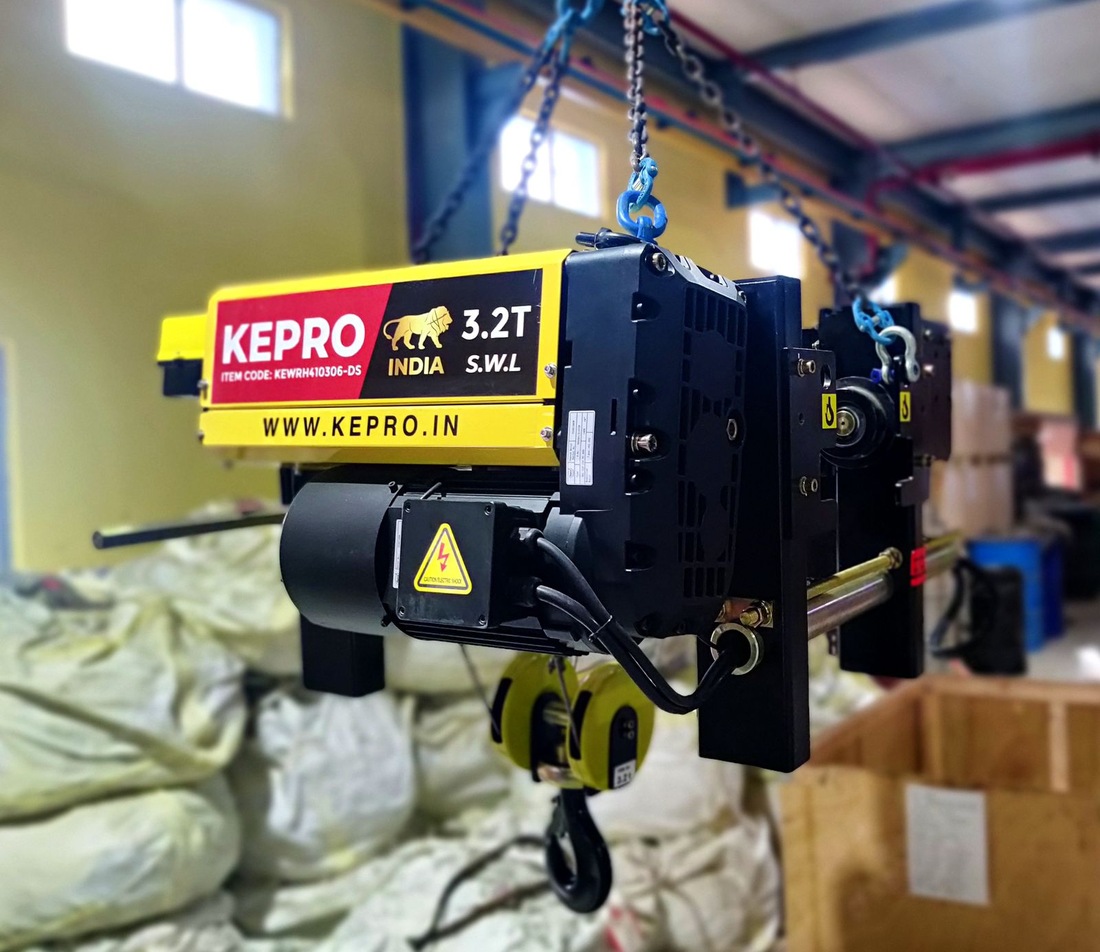
An EOT crane is an electrically operated overhead lifting system that travels along elevated runway rails. It typically consists of a bridge structure, end carriages, a hoist, a trolley, electrical controls, and associated safety devices.
The bridge travels along the runway, while the trolley moves across the bridge to position the hoist. The hoist raises or lowers the load, allowing materials to be moved between different locations within the crane's operating area.
Unlike floor-based material handling equipment, an overhead crane can move loads above working areas when the facility and crane layout are properly designed.
EOT cranes are widely used in manufacturing, metal processing, power generation, warehousing, and other industries where regular lifting and material movement are required.
Types of EOT Cranes Used in Industries
Different industrial facilities have different lifting requirements. The choice of crane depends on the load, available headroom, building structure, operating conditions, and required lifting performance.
1. Single Girder EOT Crane
A single girder EOT crane has one main bridge girder supported by end carriages. The hoist and trolley typically travel along the lower part of the girder, depending on the design.
This configuration is often considered for general material handling in manufacturing units, workshops, and warehouses.
Key characteristics:
- A single main bridge girder.
- A comparatively lightweight bridge structure for suitable applications.
- Potentially lower structural and installation costs than a comparable double girder arrangement.
- Suitable configurations for a range of light- and medium-duty lifting requirements.
A single girder crane may be appropriate when the required load capacity, span, lifting height, and duty can be accommodated by its design.
2. Double Girder EOT Crane
A double girder EOT crane uses two main bridge girders. Depending on its configuration, the trolley and hoist may travel on rails mounted on top of the girders.
This arrangement is commonly considered for applications that require higher lifting capacities, demanding operating duties, or particular hook-height and crane-performance requirements.
Key characteristics:
- Two main bridge girders.
- Configurations suited to demanding industrial lifting applications.
- Potential for greater hook approach and lifting height, depending on the design.
- Flexibility in selecting hoist and trolley arrangements for specific requirements.
Double girder EOT cranes are often used in steel plants, heavy engineering facilities, foundries, and other industrial environments where the lifting system must meet demanding operating requirements.
The appropriate design should be determined through engineering assessment rather than capacity alone.
3. Top Running EOT Crane
In a top running configuration, the crane travels on rails installed on top of the runway beams. The runway system is supported by the building structure or a purpose-designed supporting structure.
Top running cranes are commonly considered for industrial buildings that can accommodate the required runway arrangement and structural loads.
This configuration can be used with single or double girder designs, depending on the application.
4. Under Running EOT Crane
An under running, or underslung, crane travels beneath its runway support structure. Its wheels are supported by the lower flanges of the runway beams, subject to the design.
This arrangement may be useful where the building layout, available support structure, and operating area make an underslung system suitable.
The building structure, runway beams, clearances, and load requirements must be assessed before selecting this type of crane.
Applications of EOT Cranes Across Different Industries
EOT cranes are used wherever materials need to be lifted and transported repeatedly within a defined working area.
Manufacturing Plants
Manufacturers use EOT cranes to move raw materials, machine components, production assemblies, and finished products between workstations. A suitable crane arrangement can help streamline material movement and reduce unnecessary handling.
Steel and Metal Processing Plants
Steel facilities often handle heavy metal sections, fabricated components, and other bulky materials. Depending on the application, cranes may be specified for demanding loads and operating conditions.
Warehouses and Logistics Facilities
In suitable warehouse layouts, overhead cranes can help move heavy equipment, components, and materials without occupying the same floor area as certain types of mobile handling equipment.
Power Plants
Power generation facilities may require cranes for installing, inspecting, or maintaining large machinery and equipment. The crane's capacity, lifting height, access, and maintenance requirements must be planned around the facility.
Foundries and Casting Units
Foundries handle moulds, castings, and heavy metal components. Crane selection in these environments must account for the operating duty, heat exposure, dust, and other site-specific conditions.
Railways and Heavy Engineering
Railway workshops and heavy engineering facilities use lifting systems to position machinery, assemblies, and large components during manufacturing, maintenance, and repair work.
The crane design must match the actual task and operating environment in each of these industries.
Key Benefits of Using an EOT Crane
Better Use of Available Floor Space
Since an EOT crane operates overhead, it can help keep the floor available for production equipment, storage, and other activities. This is particularly useful in facilities where floor space is limited.
Efficient Material Movement
A correctly designed crane allows loads to move across a defined working area. This can reduce unnecessary handling steps and help maintain a smoother production workflow.
Reduced Manual Handling
Using suitable mechanical lifting equipment reduces the need to move heavy materials manually. This can support safer working practices when combined with correct operating procedures, training, and suitable lifting accessories.
Improved Load Positioning
Electric hoists and crane travel mechanisms allow operators to position loads within the crane's designed working area. Appropriate controls and operating practices are important for accurate and controlled movement.
Adaptability to Different Industrial Needs
EOT cranes can be designed with different girder configurations, capacities, lifting heights, control systems, and operating speeds. This flexibility allows the system to be matched to the requirements of the facility.
Actual benefits depend on the crane design, installation, maintenance, and the way it is used.
How to Choose the Right EOT Crane for Your Facility
Selecting the right EOT crane requires a clear understanding of the work it will perform. The following factors should be considered before requesting a quotation.
1. Determine the Required Lifting Capacity
Start by identifying the maximum load that the crane needs to lift, including any relevant lifting attachments.
The crane must be rated for the intended load and operating conditions. Do not select a model solely because it appears suitable for the heaviest item. Confirm the required capacity with the crane manufacturer or a qualified engineering professional.
2. Measure the Crane Span
The span is the distance between the crane runway rails. It determines the width across which the crane bridge must travel.
Accurate measurements are essential because the span affects the bridge design, structural loading, and overall crane configuration.
Use the actual runway rail centreline distance when preparing specifications rather than relying only on the building's overall width.
3. Calculate the Required Lifting Height
Lifting height is the vertical distance through which the hook must travel.
Consider the highest and lowest positions required during normal operations, as well as the dimensions of the loads being handled. Available headroom and the crane's hoist arrangement can affect the achievable hook height.
4. Assess the Operating Duty
A crane used for occasional maintenance work will not necessarily have the same requirements as one used continuously in a production facility.
Consider the number of lifting cycles, operating hours, load distribution, required speeds, and applicable duty classification. These details help determine the appropriate mechanical and electrical specifications.
5. Check the Building Structure
The building and runway structure must be suitable for the loads imposed by the crane.
A structural assessment should consider the crane's weight, lifted loads, wheel loads, runway arrangement, and relevant operating forces. If an existing building is being used, its suitability should be verified before finalising the crane design.
6. Choose the Appropriate Controls
Depending on the application, crane controls may include a pendant, radio remote control, or operator cabin.
The right arrangement depends on the operating area, visibility, load positioning requirements, and the need to keep the operator at a safe location.
7. Review Safety Features and Maintenance Support
Before purchasing, review the proposed safety devices, operating documentation, inspection requirements, maintenance access, spare parts availability, and after-sales support.
The exact safety equipment required depends on the crane design and application. Confirm compliance with the applicable standards and regulations, and ensure that operators receive appropriate training.
Common Mistakes to Avoid When Buying an EOT Crane
An unsuitable crane can create problems long after installation. Avoid these common purchasing mistakes:
- Selecting the crane based only on lifting capacity.
- Providing incorrect span or lifting-height measurements.
- Ignoring operating frequency and duty classification.
- Failing to assess the existing building and runway structure.
- Overlooking headroom, hook approach, and maintenance access.
- Choosing controls without considering the operating environment.
- Comparing quotations without checking the included scope, specifications, and safety provisions.
A detailed assessment before ordering can help reduce the risk of costly modifications and operational difficulties later.
Frequently Asked Questions About EOT Cranes
What does EOT stand for?
EOT stands for Electric Overhead Travelling. An EOT crane is an electrically operated crane that travels along overhead runways to lift and move loads within a facility.
What is the difference between a single girder and a double girder EOT crane?
A single girder crane has one main bridge girder, while a double girder crane has two. The appropriate choice depends on the required capacity, span, lifting height, duty, structural arrangement, and budget.
Which industries use EOT cranes?
EOT cranes are used in manufacturing plants, steel facilities, warehouses, foundries, power plants, railway workshops, and heavy engineering operations, among other industrial environments.
How do I select the right EOT crane capacity?
Identify the maximum load and the lifting accessories involved, then assess the complete lifting arrangement and operating conditions. A qualified crane supplier or engineer should confirm the appropriate capacity and design.
What information is needed to get an EOT crane quotation?
Prepare the required lifting capacity, span, lifting height, duty requirements, operating speeds, control preferences, power supply, installation location, and relevant building or runway details. These specifications help the supplier recommend a suitable crane configuration.
Conclusion
An EOT crane is an important investment for businesses that regularly handle heavy materials. Choosing the right configuration can help improve material movement, use available space effectively, and support more organised industrial operations.
Before making a decision, evaluate the crane type, load capacity, span, lifting height, operating duty, building structure, controls, and long-term maintenance requirements.
If your facility requires a new overhead lifting system or an upgrade to existing equipment, start by defining your operational needs and reviewing the available crane configurations.
Looking for an EOT crane for your industrial facility? Explore the EOT crane solutions offered by KEPRO India and discuss your requirements with the team to identify a suitable configuration for your application.
Need help choosing the right equipment?
Share your load, lifting height and application details with the KEPRO TOOLS team and get guidance on a suitable configuration.
Request a Quote